
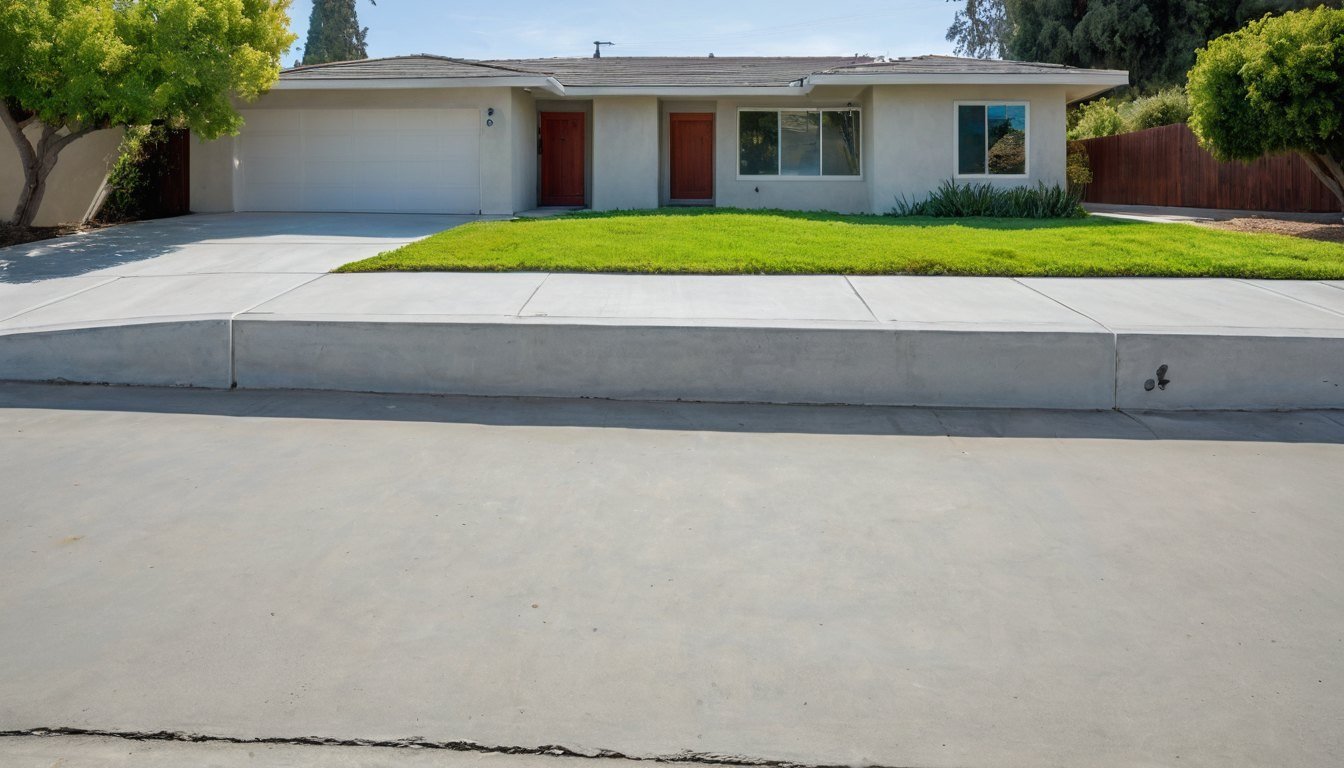
Wheelbarrows know. You push one down the side path every Saturday, and every Saturday the front wheel stops dead against the same slab edge, a half inch taller than its neighbor. Soon the kids are hopping over it, the mail carrier is stepping around it and you have started to call it the speed bump.
Concrete leveling in San Jose CA is how that speed bump disappears. A sunken slab is often in perfect shape except for where it sits, so the smart move is to raise it, not crush it.
Concrete leveling starts with one question: why did it drop?
Slabs sink for reasons. Rain that ran under the edge and carried soil away. A leaking pipe. A downspout that dumps beside the walk. Old fill that was never packed. A tree that drank the moisture out of the clay and made it shrink.
If we lift the slab and leave the cause alone, it will sink again. So we look for the reason first, and we tell you what we find, even when the answer is a plumber or a gutter.
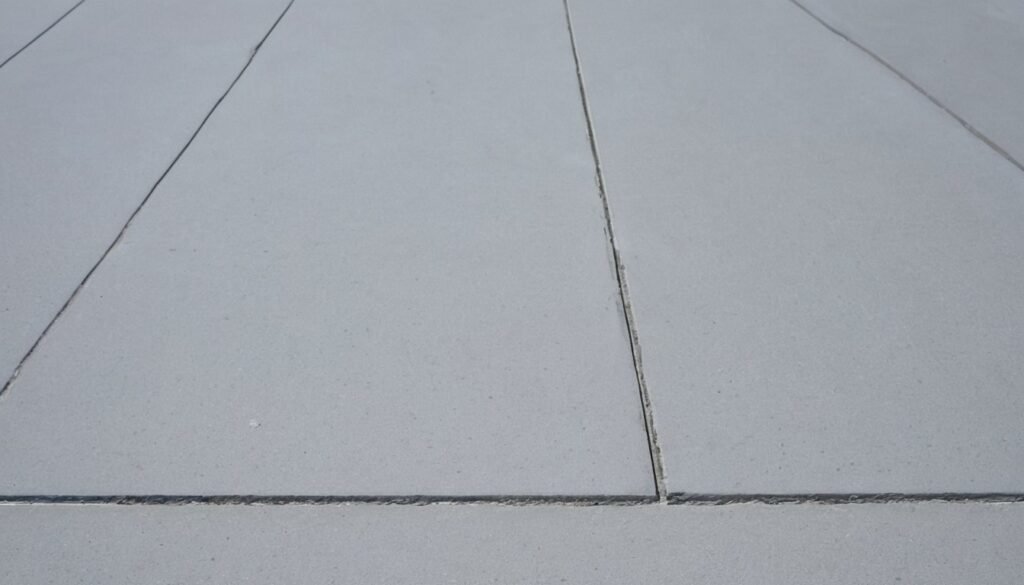
Small holes, big lift in concrete leveling
Concrete leveling is done by drilling a few holes about the size of a coin through the slab, then pumping a material underneath. It fills the voids and gently pushes the concrete up. We watch the slab rise a little at a time and stop when it matches its neighbors.
The material can be a cement based grout or a light foam, and the choice depends on the weight on top and the size of the void. When the job is done, the holes are filled and patched so they blend into the surface.
Where concrete leveling works, and where it does not
It works well on walkways, patios, steps, garage floors, pool decks and driveway panels that are solid and in one piece. It does not work on slabs that are crumbling, badly broken or sitting on soil that keeps washing away.
If your slab is too far gone, we will say so, and you can read about the other path on our repair page or in the sections about replacing a driveway.
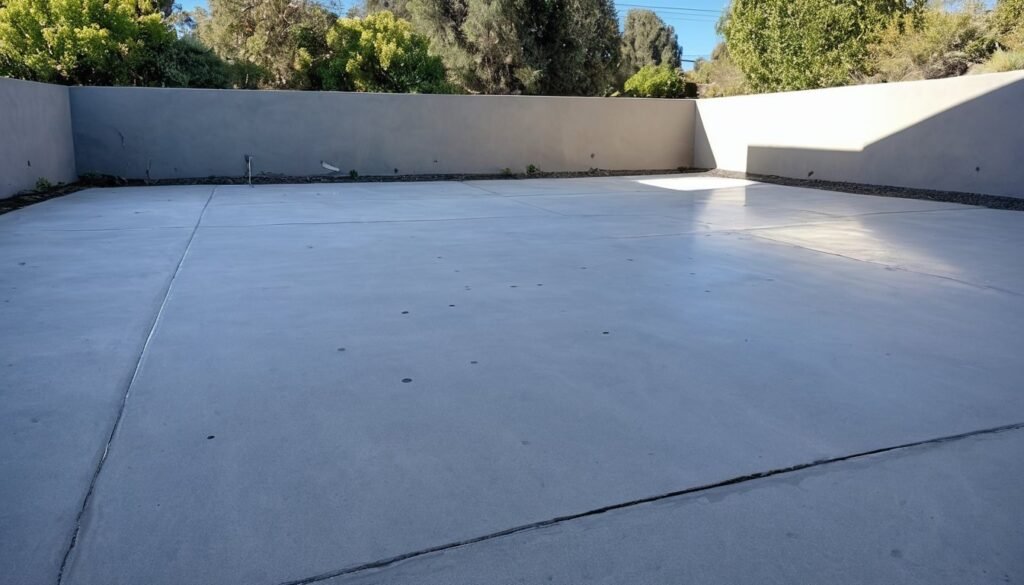
Edges you can trip on
Sometimes a slab is only a little higher than its neighbor. A small lip can be ground flat with a diamond wheel. It is a quick fix for a short term trip problem, though it does not cure the sinking.
For a larger step, lifting is better. Sidewalk edges in front of your house are the owner's job in San Jose, so a smooth lift can also help you answer a city notice.
Before you call
A few photos and notes speed up the answer.
- Measure the height difference between the two slabs
- Point out which way water flows on the surface
- Tell us if gutters, pipes or sprinklers are nearby
- Say when you first noticed it dropping
What people ask before they lift a slab
The walkway slab by our front door sank about an inch and the kids keep tripping. Can it really be lifted?
In most cases, yes. If the slab is in one piece and not badly cracked, concrete leveling can raise it back to match the slabs around it. We drill small holes, pump a material underneath that fills the empty space and lifts the concrete a little at a time. It takes a few hours for a short walkway, and you can often walk on it the same day.
Before we start, we check the reason it sank. If a gutter is dumping beside the walk, we point it out. If soil washed away, we fill the space and talk about drainage so the problem does not return. If the slab has broken into several chunks, lifting each one can still work, though sometimes replacing is cleaner.
An inch is a good candidate. Anything over a couple of inches needs a closer look at the soil before concrete leveling makes sense. Send a photo with a tape measure beside the step, and we will give you an honest first guess before we visit.
Is lifting really cheaper than tearing out and pouring new?
Most of the time, yes, and concrete leveling wins by a good margin on larger slabs. Demolition, hauling, new base and a fresh pour all add up. Leveling skips most of that. You are paying for drilling, material and skilled hands, and you get to keep the slab you already have, along with its color and finish.
There are exceptions. A small slab that is badly cracked may be cheaper to replace than to lift. A slab that has sunk for a reason we cannot fix, like a failing pipe, may not hold its height either way. And a slab with a lot of surface damage may need a new surface even after the lift.
We give you both numbers when the situation is close. That way you can see the lift price, the replacement price and our honest opinion on which one lasts longer. If you are comparing, our driveway replacement page shows what the other path looks like.
How big are the holes, and will they show afterward?
The holes are small, usually around the size of a quarter or a bit larger, and there are only as many as the job needs. A short walkway may need a handful. A big patio may need dozens, laid out in a pattern across the slab.
After the lift, we fill each hole with a patching material and smooth it level. Fresh patches can look a little different from the surrounding concrete at first, because the old surface has faded and weathered. Most people stop noticing them within a few weeks, and the color blends more as the patch ages.
If you want them to disappear faster, we can add a light stain or a thin coat of sealer across the area. That evens out the color. For stamped or colored concrete, we choose a patch mix that matches as closely as we can and place holes in the grout lines when possible. Ask us at the visit, and we will show you where the holes would go.
Will the slab just sink again next year?
It should not, as long as the cause is handled. That is the heart of good concrete leveling. The material we pump under the slab fills voids and supports the concrete, but it cannot stop water from washing soil away or a root from drying out the clay.
So with concrete leveling we look at everything around the slab. Are gutters and downspouts sending water to the edge? Is the grade pitched toward the slab instead of away? Is a pipe leaking? Is a large tree drinking from that corner? We fix or flag each of those before we lift.
When the cause is handled, a lifted slab can stay put for many years. When it is not, you may see movement again. That is why we explain it at the start and write notes on the estimate. If a slab we lifted ever shifts and the ground conditions have not changed, call us and we will take a look. We want the job to hold.
How soon can we walk or drive on it after it is lifted?
For walking, usually within a short time, often the same day. The materials we use set quickly, and a walkway or patio is ready for foot traffic once the patches have firmed up. Keep heavy furniture off for a day or two to be safe.
For a driveway or garage floor, we ask you to wait a little longer before parking a car, often a day or so, and to wait longer for loaded trucks. We give you exact timing based on the material used and the size of the slab.
Weather matters a little. A damp morning can slow the set, and a hot, dry afternoon can speed it up. We check the sky and adjust. If rain is coming, we may reschedule to protect the patches while they cure. Most leveling jobs are done in a single visit, which is one of the best parts. No dumpsters, no mud and no weeks of waiting.
Our pool deck has dropped toward the pool. Can you lift it without hurting the pool?
Yes, with care. A pool deck that slopes toward the pool sends water, dirt and sunscreen into the water, and it can mean the soil under the deck is washing into the gap between the deck and the pool shell. Lifting the deck fixes the slope and fills those hidden voids.
We work with controlled pressure and watch the deck rise slowly, with measurements along the way. The goal is to raise the deck, not push on the pool wall. We avoid placing material right against the pool edge, and we leave the expansion joint, the gap between deck and pool, in place so the two can move separately.
Before we lift, we also look for the reason the deck dropped. Pool leaks and broken plumbing are common causes, and a plumber should deal with those first. After the lift, the slope should send water away from the pool again. See our pool deck page for more about keeping the area safe underfoot.
One slab, one trip edge, one afternoon. Call (408) 790-0568 to ask if yours can be raised, or send a photo through the estimate form.