
It starts small. The bedroom door that used to swing shut now catches at the top corner. Then a crack shows up near a window, shaped like a staircase. You put a marble on the kitchen floor, just to see, and it wanders off toward the back of the house.
That is when people start searching for foundation repair in San Jose CA. The marble is not a verdict. It is a clue, and our job is to find out what it means, then fix the right thing without scaring you or overselling.
Some cracks are just concrete being concrete
Every foundation has small cracks. Hairlines, under about the thickness of a credit card, usually come from drying shrinkage and do not mean the house is moving. They can be sealed to keep moisture out.
Foundation repair becomes a real topic when cracks are wide, uneven, growing or paired with other signs like sticking doors, gaps around windows and sloping floors.

What moves a foundation in this valley
Clay is the usual suspect. It swells with winter rain and shrinks in the dry months, and a foundation riding on it can tilt. Water is the second suspect: a leaking pipe, a downspout dumping at the wall or a yard that slopes toward the house.
Trees can dry out the clay and pull one side down. On hillsides, soil can creep slowly downhill. Each cause needs a different fix, which is why we look before we recommend anything.
The foundation repair menu, from simple to serious
Simple foundation repair includes sealing cracks, improving drainage and rerouting downspouts. Mid level work includes lifting a sunken slab, which you can read about on our leveling page. Larger work, like underpinning with piers, is designed by a structural engineer, and we coordinate with them.
We tell you which level we think your house needs, and if we are not the right crew, we say so and point you to a better one.
Eichlers and other slab homes
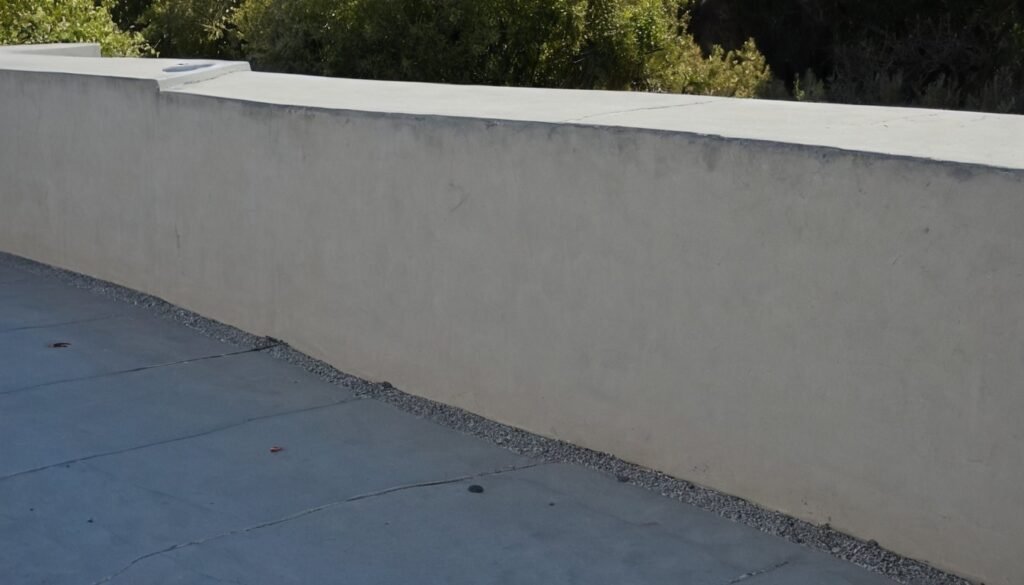
Slab homes, including Eichlers in Sunnyvale and Cupertino, can have cracks that cross the floor. Many are harmless, but some may involve heating pipes inside the slab, so repairs near them need extra care.
Always mention radiant heat in the floor. A crack repair that ignores a pipe is a problem waiting to happen.
Before you call
Jot these down before the visit.
- Where the cracks are, how wide and when you first saw them
- Doors or windows that stick, and in which part of the house
- Any plumbing leaks, wet spots or soggy ground nearby
- Photos with a ruler or coin in the frame
Foundation worries, answered gently
The marble test says our kitchen floor slopes. Should I panic?
No, but do not ignore it either. Good foundation repair begins with watching. Houses in our area often have a slight slope because of age, settling after construction and normal soil movement. A small tilt that has been there for years is usually stable. A slope that is new or growing is more important.
Here is a calm way to check. Mark the spot where a marble comes to rest, note the date and take a photo. Repeat after a month. Check the cracks on the walls and the doors for changes. If nothing moves, the slope may simply be a feature of an older house.
If the slope is clear and growing, call a structural engineer or a foundation repair specialist for an opinion. We can look at the concrete side too, and we will tell you honestly whether we think the movement is a concrete issue or a deeper structural one. For serious tilt, an engineer's report is the right next step. We do not push work that is not needed, and we would much rather recommend a downspout extension than a big job.
What does a stair step crack in a block wall mean?
A crack that follows the mortar joints in a pattern like stairs is common when part of a wall moves more than the rest. It often points to settlement, where one corner of the foundation sank or shifted. Water pushing against the wall from outside can do it too.
Size and direction matter. A narrow crack that has not changed in years is not urgent. A wide crack, or one that is wider at the top than the bottom, deserves attention. If you see bulging along with the crack, call right away.
To plan foundation repair, we first find the cause. Is water collecting along the wall? Is the soil softening? Is a tree pulling moisture away? After the cause is handled, the crack can be sealed, and if the wall needs strength, steel ties or other reinforcement may be added. We bring in an engineer for larger problems. Take photos from a few feet back and up close, and put a coin in the frame for scale. They help us give a better first answer.
A neighbor's tree is near our house. Could its roots hurt the foundation?
They can, mostly by drying out the clay. Large trees drink a lot of water. When the soil near the tree shrinks, the foundation on that side can drop slightly, and cracks may appear. Roots can also push against shallow slabs or walls, though this is less common with deep foundations.
The pattern is usually clear. Cracks are worse on the side closest to the tree, and they may open more in late summer and close in winter. That seasonal rhythm is a strong clue.
Solutions depend on the tree and the owner. A root barrier can redirect roots, deep watering can keep soil moist and sometimes pruning helps, though cutting large roots can hurt the tree. If the tree belongs to the city or protected by a local rule, a permit may be required before any work. We can document what we see and, if needed, help you start a friendly conversation with the neighbor. A photo log over a season is powerful evidence.
Can you lift a settled slab, or does the whole foundation need piers?
It depends on how far it has settled and why. For slabs, like a garage floor, patio or a section of a floor slab, lifting with pumped material can fix voids and raise sunken areas. That is often done without major digging.
When a whole foundation has dropped on one side because of deep soil problems, piers may be needed. Piers are steel or concrete supports driven or drilled down to firm soil, and they carry the building weight below the troubled layer. They must be designed by an engineer, because they hold up the building itself.
We explain both paths, including cost and disruption. Slab lifting is quicker and cheaper but treats the symptom. Piers address the foundation but cost more and take longer. In some cases a combination works well. If you want a feel for the lifting side, read how concrete leveling works. For anything involving piers, we coordinate with the engineer and follow the plan exactly.
Will fixing drainage alone stop the cracks?
Sometimes, and it is always worth trying before bigger foundation repair. If the cracks come from water pooling beside the house, extending downspouts, regrading the soil and adding a drain can calm everything down. Soil that stays at a steady moisture level stops moving as much.
The drawback is time. After drainage changes, you need a season or two to see the effect. Mark the cracks with a pencil and a date, and check them after the wet months and the dry months. If they stop growing, drainage may have solved it.
If they keep moving, the foundation may need physical repair as well. Drainage is rarely wasted, though. Even if you need further work, good drainage protects the repair. We often work with landscapers and drain specialists. The goal is to keep water about ten feet away from the foundation whenever possible. It is one of the cheapest and most useful fixes in the whole field, and nobody ever regrets it.
How do I know whether to call you, an engineer or both?
Call an engineer when you see signs of serious movement: wide, growing cracks, a visible tilt, bulging walls or doors that suddenly stop working. An engineer diagnoses the problem and writes a repair plan. Their opinion also helps with insurance, sales and city permits.
Call us for the concrete side of foundation repair: crack sealing, slab lifting, drainage related concrete work, new footings and replacement of damaged sections. We also help you decide whether you need an engineer at all. Many calls end with simple, honest advice and a modest fix.
In between, there are projects where both of us show up. The engineer designs and inspects, and we build. We are used to that kind of teamwork and we follow plans closely. If you are unsure, call and describe what you see. A short conversation will usually tell us which path to start with. Send photos too, and we will say what we think before anyone drives anywhere. Our foundation installation page shows the new work we do alongside repairs.
Not sure whether it is a big deal? Call (408) 790-0568 and describe what you see, or send photos through the estimate form. We will give you a straight answer.