
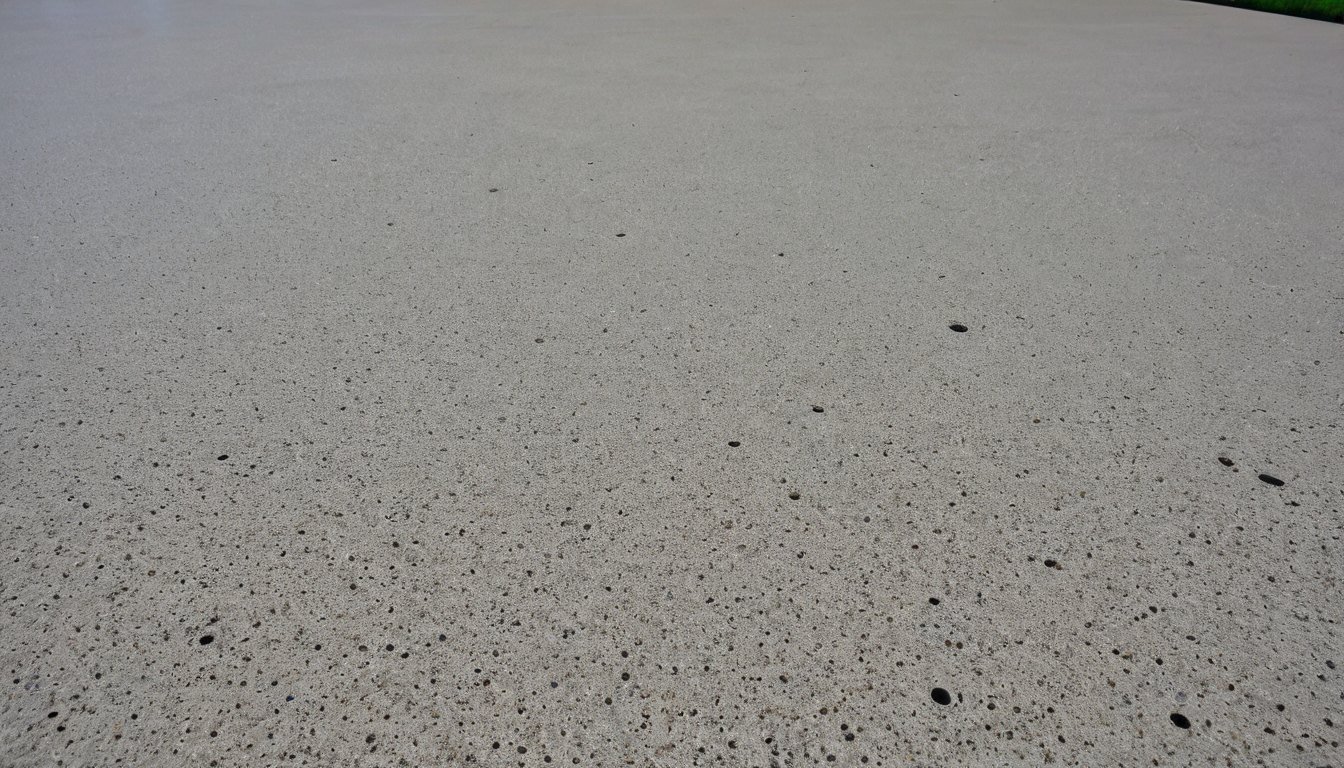
Every few months you look at the back patio and think the same thing. The sprinklers left white freckles all over it, one spot has been peeling since last summer, and the color somehow got tired when you were not looking. It is not broken. It is just worn out.
That is where concrete resurfacing in San Jose CA shines. When the slab itself is solid, we can put a new surface on top and skip the demolition, the haul away and the weeks of waiting.
Concrete resurfacing is a new skin, not a new slab
Concrete resurfacing means applying a thin layer of a special cement mix over your old concrete. It bonds to the slab and gives you a fresh, even surface that can be smooth, textured or colored.
Think of it like repainting a room instead of rebuilding the walls. It will not fix a slab that is moving, but it does wonders for one that is simply tired.
Is your slab a good candidate?
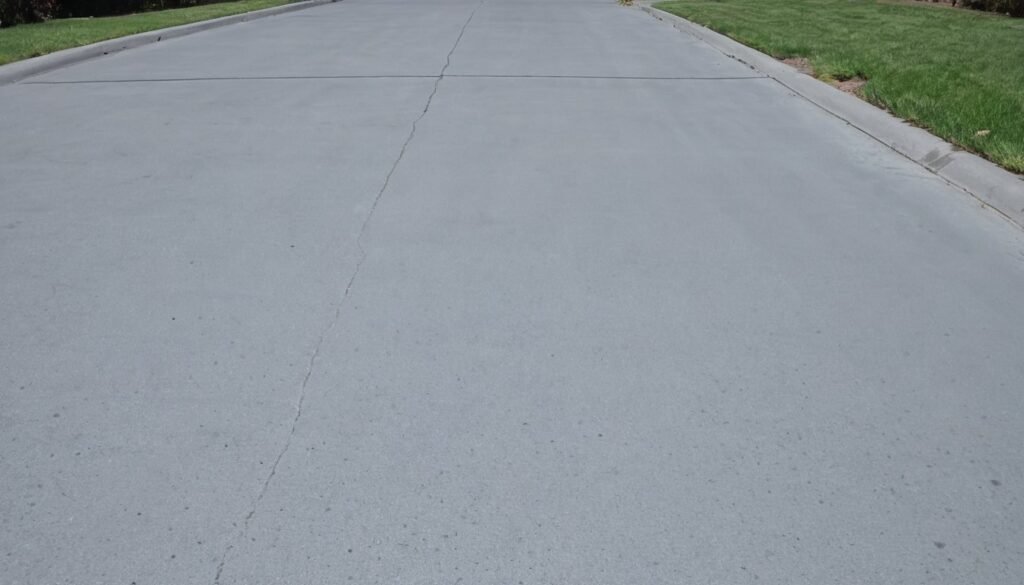
We press, tap and look. A good candidate is solid, flat enough and free of active movement. A bad candidate has deep, growing cracks, sunken sections or a crumbling base.
If your slab is borderline, we may suggest fixes first, such as crack repair or lifting a low corner, and then the resurface goes over a calm, steady base.
Prep decides everything in concrete resurfacing
A resurface is only as good as its grip on the old surface. We clean off dirt, oil and old coatings, grind or shot blast the top to open the pores and repair any chips or cracks before the new layer goes on.
Skip this step and the new surface can peel. Do it well and it can last many years. Sprinkler overspray is the big enemy here, because the minerals in our hard water attack the surface, so we talk about aiming the heads away.
Color, texture and grip
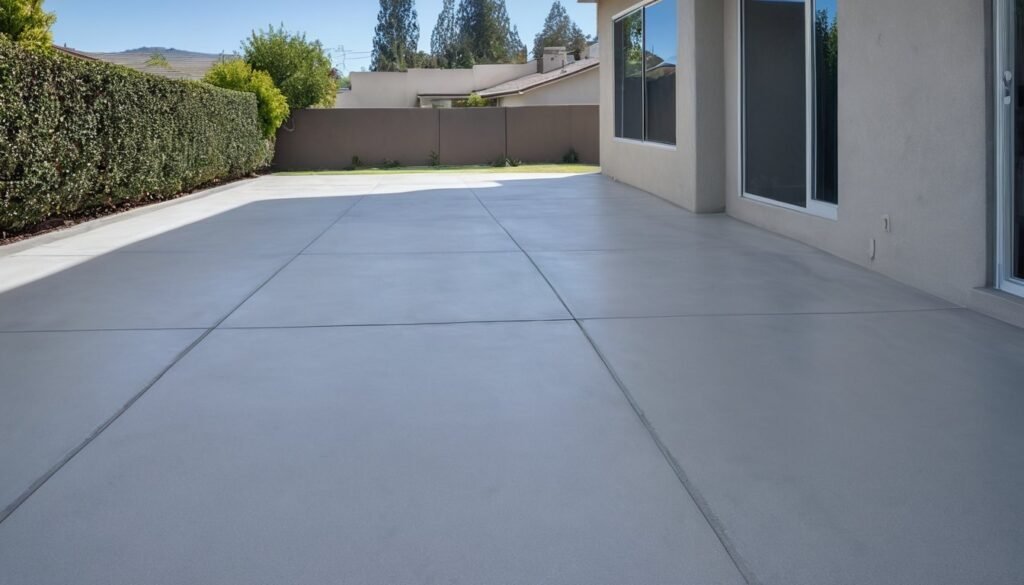
Choose a smooth look, a light broom texture, a stone pattern or a colored finish. Resurfaced slabs can also be stained and sealed, which adds depth and protects against spills. Our staining and sealing page covers that finishing step.
For pool decks, we pick textures that are easy on bare feet and not slick when wet. For driveways, we add grip and choose colors that hide tire marks.
Before you call
Handy things to share.
- Photos of the surface in daylight, close up and from a few steps back
- Whether it has been painted, coated or sealed before
- The areas where flaking or peeling is worst
- The look you want, even if it is just a picture from a magazine
Resurfacing, explained for real people
Our patio is flaking and stained. Can concrete resurfacing really hide all that?
It can, as long as the slab underneath is sound. Resurfacing is made for exactly the problems you describe: surface flaking, stains that will not wash out, faded color and a rough or pitted top. The new layer covers all of it and gives you a fresh surface.
Before we apply anything, we remove the loose flakes and clean the surface well. Flaking that goes deep may mean the slab has a moisture problem, so we look at drainage, sprinklers and downspouts. If the base is good and the cause is surface wear, the resurface will do the job nicely.
What it cannot hide is movement. If the patio is sinking or a crack opens and closes through the seasons, the new layer may crack at the same spot. In that case, we repair or lift first, and then resurface. At the visit, we show you the worst spots and tell you honestly how they will look afterward. You will know what to expect before any work starts.
Will the old cracks come back through the new surface?
Cracks that are stable, meaning they do not move, can be filled, treated and covered so they stay hidden for years. Cracks that move with the seasons or with the clay under the slab can telegraph through the new layer. That is a fancy way of saying the new surface cracks right above the old crack.
We judge which kind you have by looking at how wide they are, whether the two sides match in height and whether the crack has grown. For stable cracks we prepare them with a flexible filler and sometimes a reinforcing mesh so the new layer bridges across. For moving cracks, we talk about fixing the movement first.
In some cases a control joint, a saw cut placed on purpose, can give the new surface a clean line to follow. That is easier on the eyes than a random crack. If the surface will see a lot of use, ask about extra steps. Our goal is to avoid a finish that fails in a year.
How thick is a resurfacing layer, and can I walk on it normally?
The layer is thin, often about as thick as a few coins stacked, though it varies with the product. It bonds to the old surface and acts as one piece with it. Once it cures, you can walk on it, push a stroller on it and set furniture on it. For driveways, we choose a product built for tires and recommend a longer cure time before cars arrive.
Because it is thin, the quality of the bond matters more than the thickness. That is why the prep step is so important. A well bonded resurface is tough and handles daily life well.
Do not drag heavy items across it in the first weeks, and keep sharp tools and heavy planters off until it has fully cured. After curing, a sealer helps protect the color and the surface from stains. We give you a care sheet in plain words, so you know how to clean it and what to avoid. A little care keeps it looking sharp.
Can a pool deck or a driveway be resurfaced, or is it only for patios?
Concrete resurfacing works on both, with different products for different jobs. Pool decks need textured, cooler surfaces that are not slippery when wet, and they need to handle water, chlorine and sunscreen. Driveways need strength for tires, grip and resistance to oil. We choose the right mix and finish for each location.
On pool decks, the edge details matter. We keep the gap between the deck and the pool shell open so it can move, and we shape the surface so water flows away from the pool. For a driveway, we look at the slab thickness and the cracks. A badly cracked driveway may be better off replaced, and our driveway replacement page shows that option.
Walkways, steps, entryways and garage floors are other popular places. If you can see it and walk on it, we can usually resurface it, provided the slab is in decent shape. Ask for a visit and we will check.
How long does a resurfaced slab last, and what ruins it?
With good prep and basic care, concrete resurfacing lasts many years. Sun and foot traffic slowly wear any surface, so a coat of sealer every few years helps. What shortens the life of a resurface is usually one of a few things: poor prep, a slab that keeps moving, water that gets under the layer and harsh chemicals.
Sprinklers are a big one in this valley. The tap water here is very hard, and the minerals in it leave deposits that eat at the surface over time. We suggest aiming sprinkler heads away from the slab or switching to drip lines nearby.
Avoid strong acids and rock salt, and use a mild cleaner and a soft brush instead. Do not run a pressure washer at full power right next to the surface. If you notice a spot lifting or bubbling, call early, because a small repair now beats a large one later. We stand behind our work and will tell you what to expect for your particular slab.
What season suits concrete resurfacing in our part of the valley?
For concrete resurfacing, dry months are easiest, which in our part of the valley means late spring through early fall. The product needs a stretch of dry weather to cure, and rain on a fresh surface can leave marks. We can often work during a dry week in winter too, so do not assume you have to wait.
Extreme heat is a concern at the other end. A hot, windy afternoon can dry the surface too fast, so we start early, work in the shade when we can and use products that handle high temperatures. That is part of why our hours start so early in the morning.
We look at the forecast with you when we set the date. If rain moves in, we reschedule rather than risk a bad bond. If your patio is the stage for a party or a family event, tell us the date early. We can often plan the job to finish a week or two before so the surface has time to cure and settle in.
Want to know if your slab can be saved? Call (408) 790-0568 and describe it, or use the estimate form and attach a few photos.