
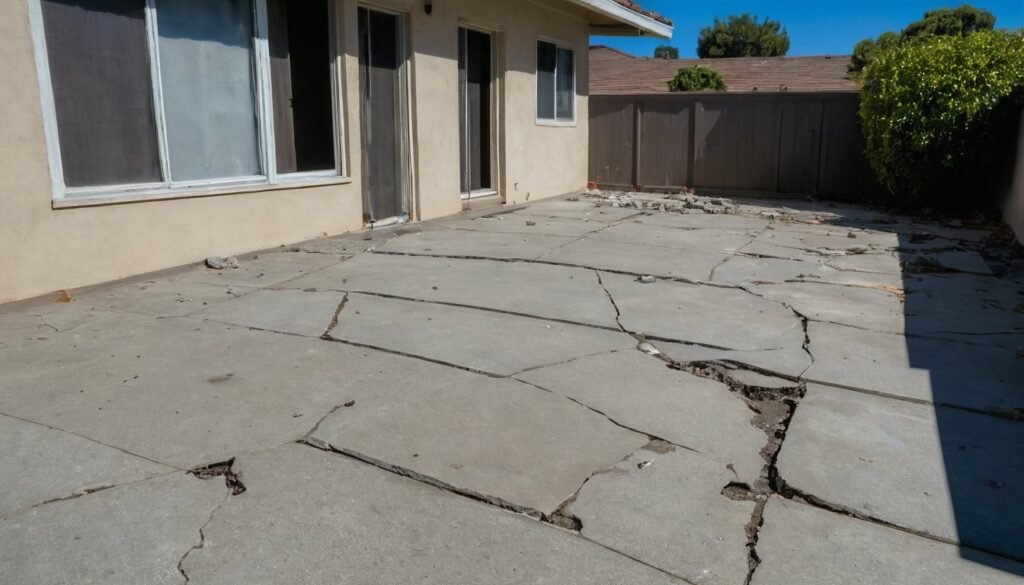
There is a slab in your backyard that used to be something. Maybe a hot tub pad from a previous owner, maybe a patio that the roots took over, maybe a pool deck beside a pool that was filled in years ago. Now it holds a bike, three planters and a sense of guilt.
Demolition in San Jose CA is how you get that space back. It sounds like the loud, messy part of any project, and it can be, but with a plan it goes fast and ends with a clean yard and a clear next step.
Demolition begins with a walk around, not a hammer
Before anything breaks, we look at what is around it. Fences, gates, sprinkler lines, wires overhead, a neighbor's wall a few feet away. We call 811, the free service that marks public utility lines, so nobody hits a gas or electric line.
We also look at the concrete itself. How thick is it? Is there steel inside? Was it poured over a pipe? Those answers shape the tools we bring and the time we need.
Breaking it up the right way: demolition done carefully
Small demolition jobs go by hand with a breaker and a saw. Bigger ones use a skid steer or a small excavator with a hammer attachment. We cut along the edges first with a saw so the break stays clean and the neighbor's side stays untouched.
Concrete demolition throws dust and chips. We wet the work as we go, sweep often and close gates so a dog or a child cannot wander in. For work next to a house, we protect windows, siding and stucco.
Where the demolition debris goes
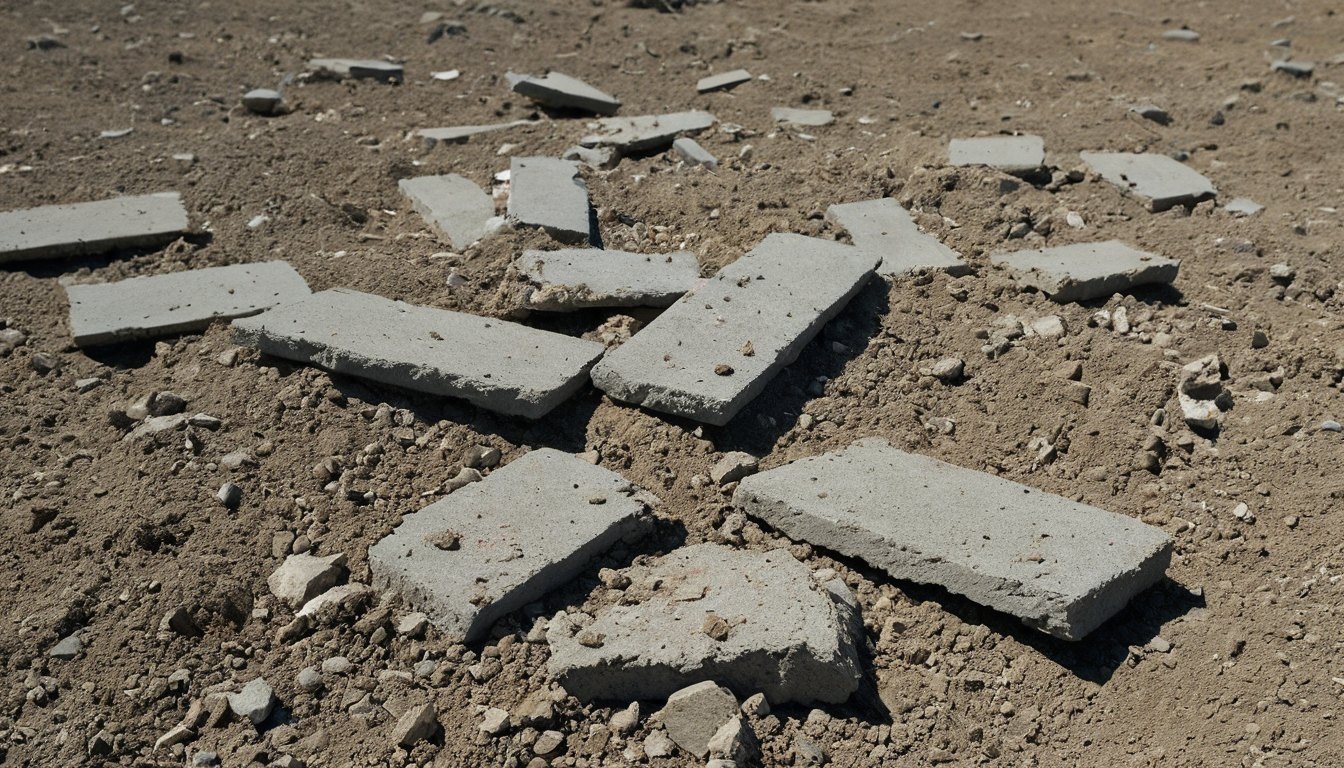
Concrete is heavy, so hauling is a big part of any demolition job. We load it out, separate steel from concrete and take it to a facility that crushes it into base rock for new projects. Some of the concrete you pay to remove goes straight back under a road or a driveway.
If you want to keep a few pieces for a garden wall or a stepping path, tell us. Clean chunks make nice edging.
Leaving the ground ready
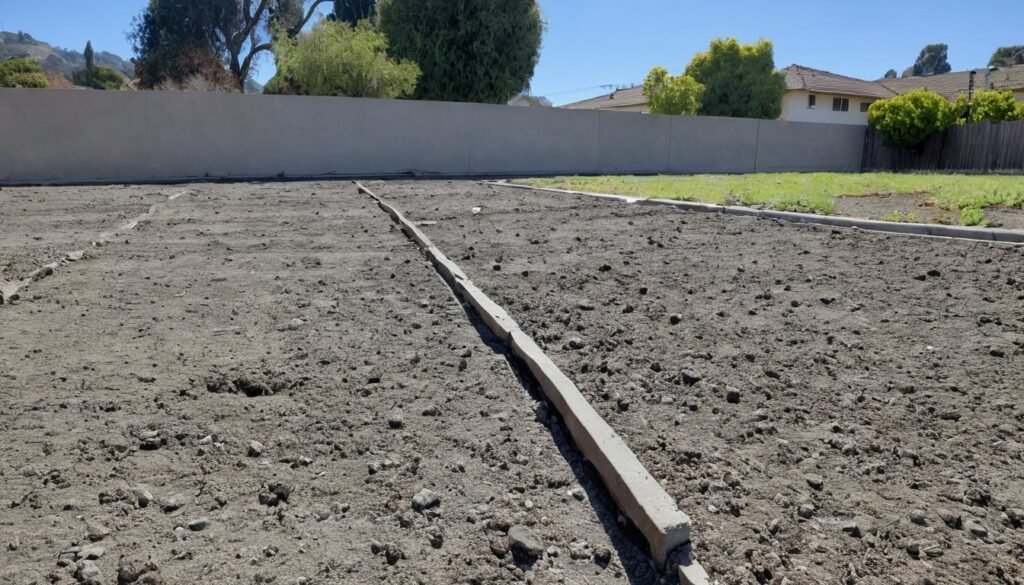
After the breaking, we rake the area, fill low spots and check the drainage so water does not collect where the slab used to be. If you are planning new concrete, we can start preparing the base right away. Our driveway replacement work often begins this way.
If the plan is a garden, a lawn or a new structure, we hand over the site level and tidy, and you take it from there.
Before you call
Think about these before the visit.
- How big is the area, and how thick does the concrete feel?
- Is there anything fragile nearby, like a fence, a pipe or a tree?
- Where can a truck and a bin stop?
- What goes in the space next?
Demolition questions from real yards
We want to take out an old pool deck next to a pool that was filled in. Can you handle that kind of demolition?
Yes, and this kind of demolition is more common than you would think. A filled pool leaves a patch of old deck, a coping edge and sometimes a buried shell. Demolition here needs a plan. First we confirm how the pool was closed, since a poorly filled pool can settle over time. If paperwork exists, it helps.
We break out the deck in sections, cutting along the edge where it meets the house or fence. We remove the coping and the pool edge, check for buried pipes and drains and follow the plan you have for the space. If the pool shell is still there and needs to come out, that is a larger job, and we explain the options.
Filled areas settle, so the ground may need extra compaction before you build on it. We can add rock and pack it, or we can suggest waiting a season. We will tell you what the soil looks like once the concrete is gone. Tell us what you want there afterward, and we will plan the cleanup to suit.
Will demolition damage my house or the neighbor's fence?
It should not, and we do things to prevent it. The biggest risk is vibration and flying chips. For work close to a wall, we cut along the edge with a saw first, then break the slab away from the wall instead of toward it. Small breakers are used near the house, and heavier tools stay farther out.
Fences and gates are protected with boards or removed before the work starts. If a fence post is set in the concrete we are removing, we plan for that and replace or brace the post when needed.
Before we start, we walk around with you and note any existing cracks in your stucco, your wall or the neighbor's side. That way you know the condition before we touch anything. If you share a boundary, a friendly note to the neighbor about the noisy day is good manners and saves everyone stress. We can help write a quick message with the date and time.
How loud and dusty is a demolition day, honestly?
Loud, yes, for the hours the breaker runs. Dusty, less than you would fear, because water and sweeping keep it under control. For a small patio, expect a few hours of noise. For a driveway or a big slab, a day or more.
We start early and plan the loudest work for midmorning, so we are not rattling windows at dawn. Local noise rules apply, and we stay within them. If somebody on your street works from home or has a baby sleeping, tell us. We can sometimes schedule the louder parts for a better time of day.
Dust control means wetting the concrete as we break it, using a hose or a sprayer, and sweeping or vacuuming the area. We also ask you to close windows on that side of the house and move patio furniture, toys and laundry. It is a short, messy day that is followed by a long stretch of fresh, clean space. We leave the street swept and the yard raked.
What happens to the steel and mesh inside the old concrete?
It comes out during demolition too. Most slabs have steel bars, called rebar, or a sheet of wire mesh inside. During demolition, the concrete is broken away and the steel is peeled out. We collect the steel and send it for recycling, since steel is valuable and easy to melt down and reuse.
Sometimes the steel is a little tricky. Bars may be tied together, bent or rusted. Our crew cuts them down to manageable lengths and bundles them. Any steel left in the ground could cause trouble later for a new pour or a planting bed, so we make sure the area is clear.
Older slabs may have no steel at all. That is not unusual for patios and walks poured years ago. We note what we find and tell you, because it says something about how the slab was built. If the old slab had steel and it still failed, we adjust our plan for the next one. That information makes your new project stronger.
Do I need a permit to take out concrete?
Often no for demolition of a simple patio or walkway on your own property, but it depends on the city and the work. Removing concrete next to the street, in the public right of way, usually needs a permit. In San Jose the owner is responsible for the sidewalk, the curb and the driveway approach, and a permit comes before work starts.
Walls, foundations and slabs that hold up part of a building are different. Taking those out can change how the structure stands, and the city may require plans, an engineer and inspections. We do not take out a foundation wall on a hunch.
We look at the job, tell you whether a permit is likely and help you ask the right office. If you plan to build something new right away, the permit for that project often covers the demolition too. Our sidewalk page has more on the right of way side. A short phone call to the city before we start is cheap insurance.
Can you remove just part of a slab and keep the rest?
Yes, this is called partial demolition, and it is a skill of its own. The trick is to make a clean break between the part going and the part staying. We saw cut along a straight line, usually a few inches deep or all the way through, then break out the unwanted section without cracking the rest.
The cut edge matters later. If you want to add new concrete, the old edge can be tied to the new pour with steel pins and a clean joint. If you only want to remove a section and fill it with planting or gravel, the edge can be left tidy and square.
We also think about drainage. Removing a strip of a patio or driveway changes where water goes, so we check the slope before we start. See our cutting page for more on the saw work. If you are not sure how much to remove, mark the line with spray paint or a hose and let us look. We can adjust the line at the visit.
Ready to see that old slab gone? Call (408) 790-0568 or leave a few details on the estimate form, and we will plan a quick demolition day.